
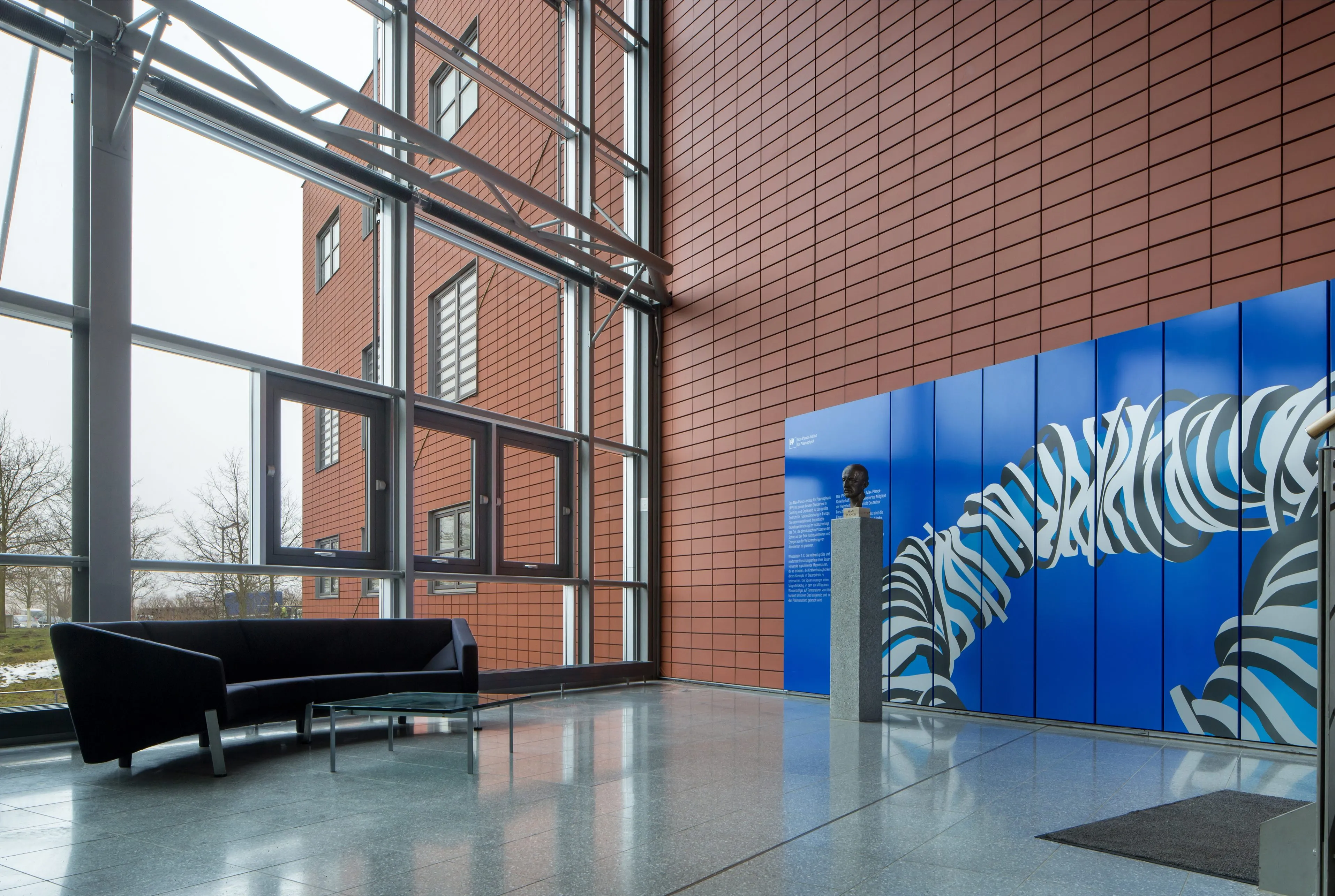
Main Entrance Greifswald Site
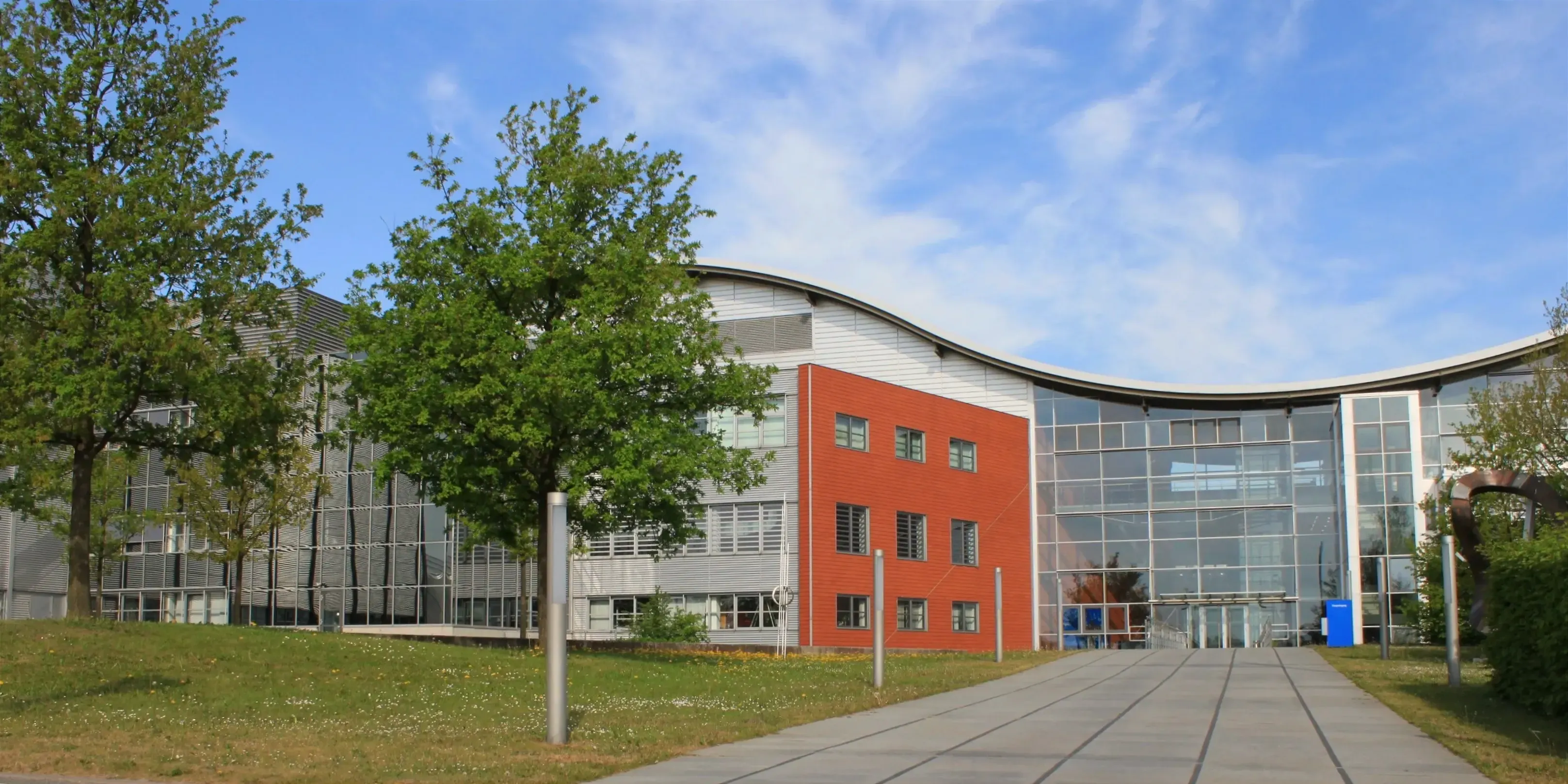
The Max Planck Institute for Plasma Physics
The Max-Planck-Institute for Plasma Physics (IPP) is dedicated to researching the fundamentals for a fusion power plant that generates energy in a manner similar to the sun. The main site is located in Garching near Munich, with a branch institute in Greifswald.
With approximately 1,200 employees, IPP is one of the largest fusion research centers in Europe. In Garching, the Tokamak experiment ASDEX Upgrade is operated, while research at the Greifswald site focuses on the Wendelstein 7-X stellarator.
The scientific departments at IPP investigate the confinement of hot hydrogen plasmas in magnetic fields, develop technologies for plasma heating, and analyze plasma properties. The research also encompasses magnetic field technology, data acquisition, plasma theory, and materials science.
IPP is part of the Max Planck Society and maintains a partnership with the Helmholtz Association. It is integrated into the European fusion program and coordinates the EUROfusion consortium, which brings together 30 fusion centers from 25 countries.
HR Department Garching
Max-Planck-Institut für PlasmaphysikBoltzmannstraße 285741 Garching b. München
+49 89 3299-1438careers-garching@ipp.mpg.de
HR Department Greifswald
Max-Planck-Institut für PlasmaphysikWendelsteinstraße 117491 Greifswald
+49 3834 88-2350careers-greifswald@ipp.mpg.de
Living and Working in Germany
This brief guide helps you to navigate working as an international employee in German public institutions.
Cutting-edge Research in Garching
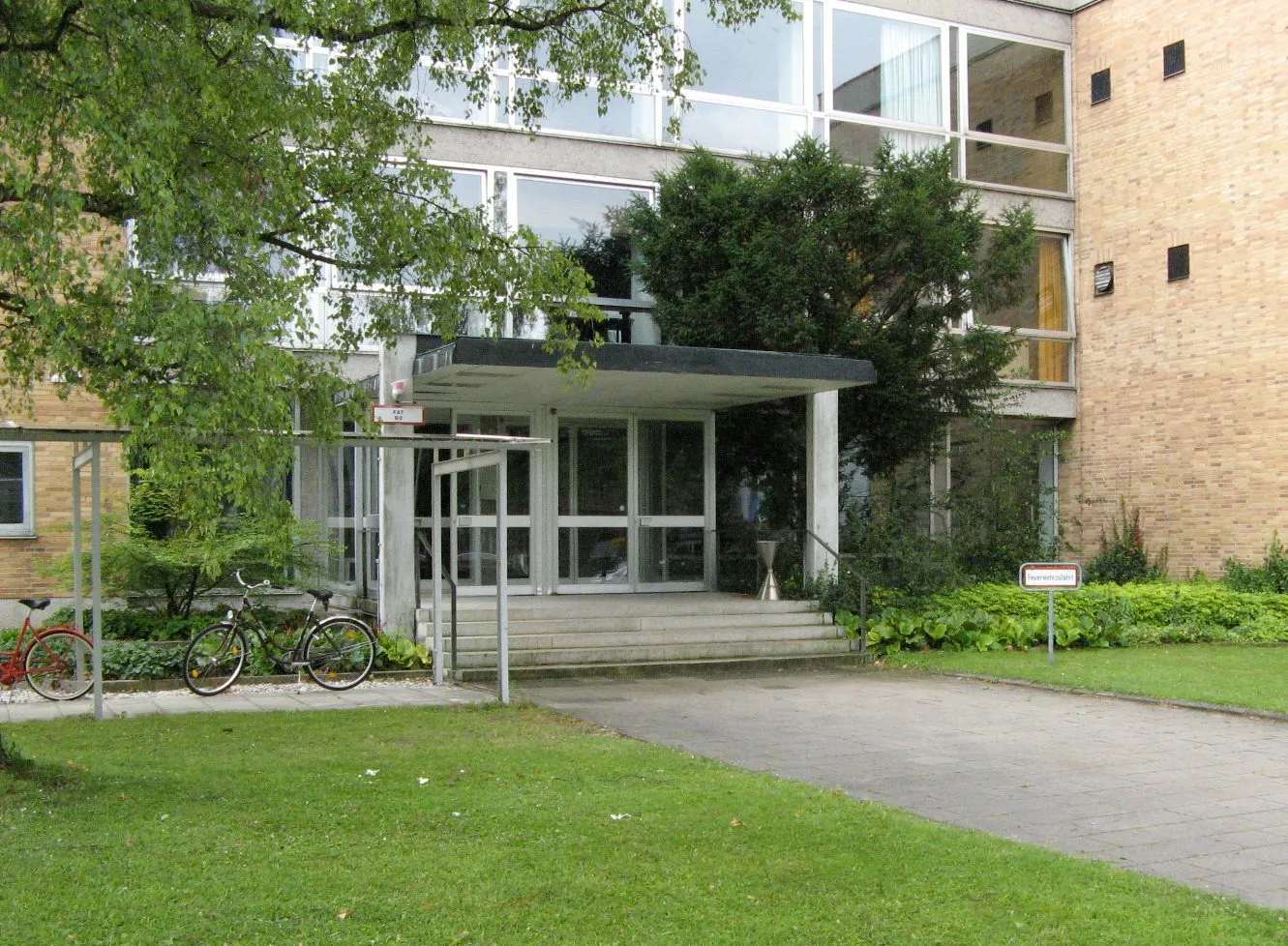
The IPP site in Garching.
The Max Planck Institute for Plasma Physics in Garching, established in 1960, employs around 750 staff members.
This is the location of the internationally renowned ASDEX Upgrade fusion facility, a Tokamak-type device.
The six scientific divisions focus on Tokamak scenario development, plasma edge physics, plasma edge and wall interactions, ITER technology and diagnostics, Tokamak theory, as well as numerical methods in plasma physics.
EUROfusion, the European consortium for fusion energy, is also based here.
The IPP maintains a close partnership in fusion-oriented plasma physics with the Technical University of Munich, with two of the institute’s scientific directors also serving as professors at the university.
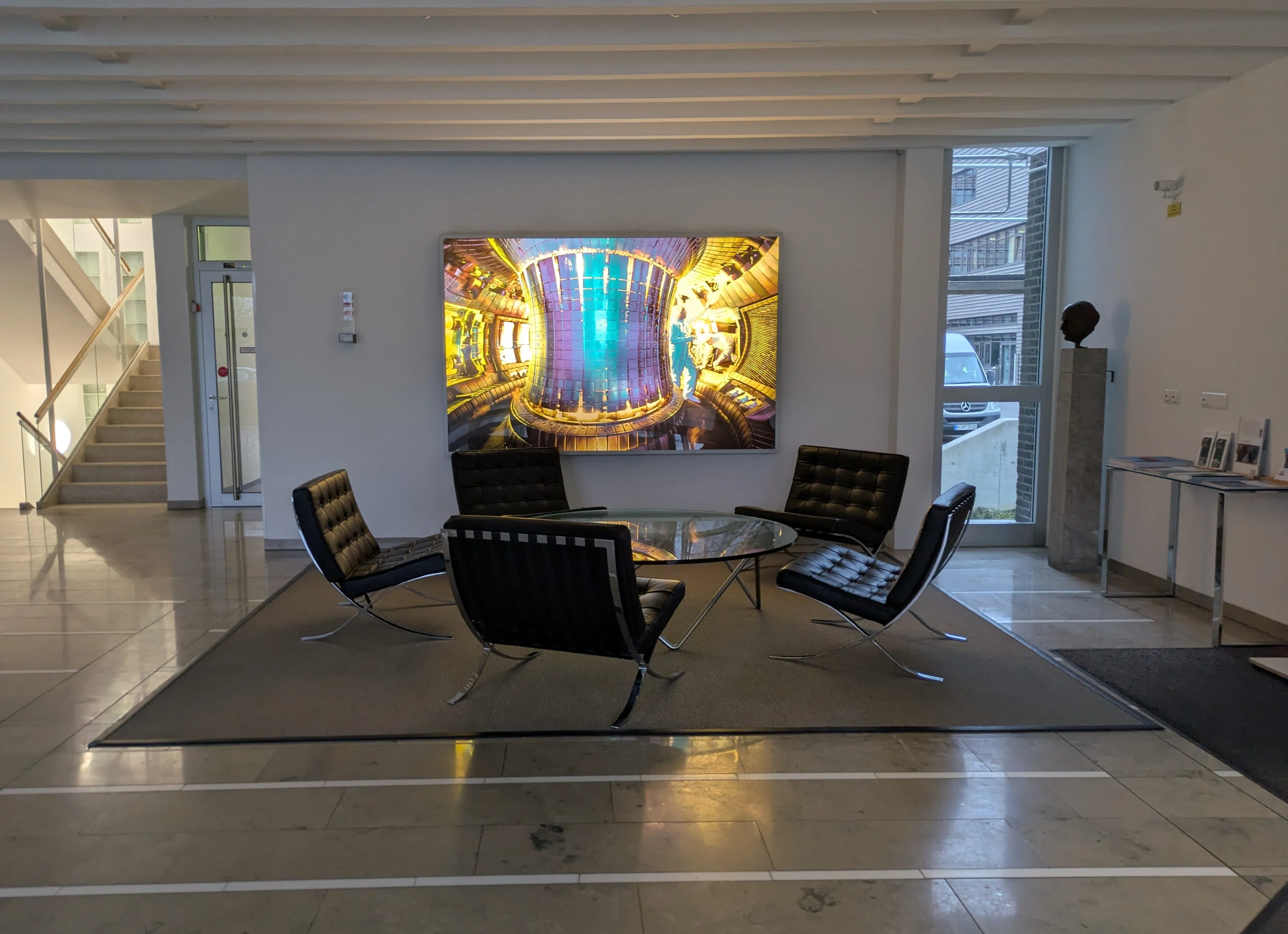
The City of Garching.
Garching, located near Munich in Bavaria, is home to around 16,000 residents. The city is a renowned center for research and education, hosting several institutes and university departments. Picturesquely situated on the banks of the Isar, Garching is easily accessible via the A9 motorway. The U6 subway line connects Garching to Munich’s city center in just 20 minutes, with the IPP situated directly at the Garching-Forschungszentrum station. Numerous institutions are based on the science campus, including departments of the Technical University of Munich and five Max Planck Institutes.
The Federal State of Bavaria.
Bavaria, in the heart of Europe, is Germany’s largest federal state by area and a key link within the European Union. It combines natural beauty with vibrant urban life across more than 70,000 square kilometers and is home to over 12 million people. The Bavarian landscape is defined by the Alps with Germany’s highest peak, the Zugspitze, the Franconian Switzerland, river landscapes along the Main and Danube, and the scenic lakes of Upper Bavaria such as Chiemsee and Tegernsee.
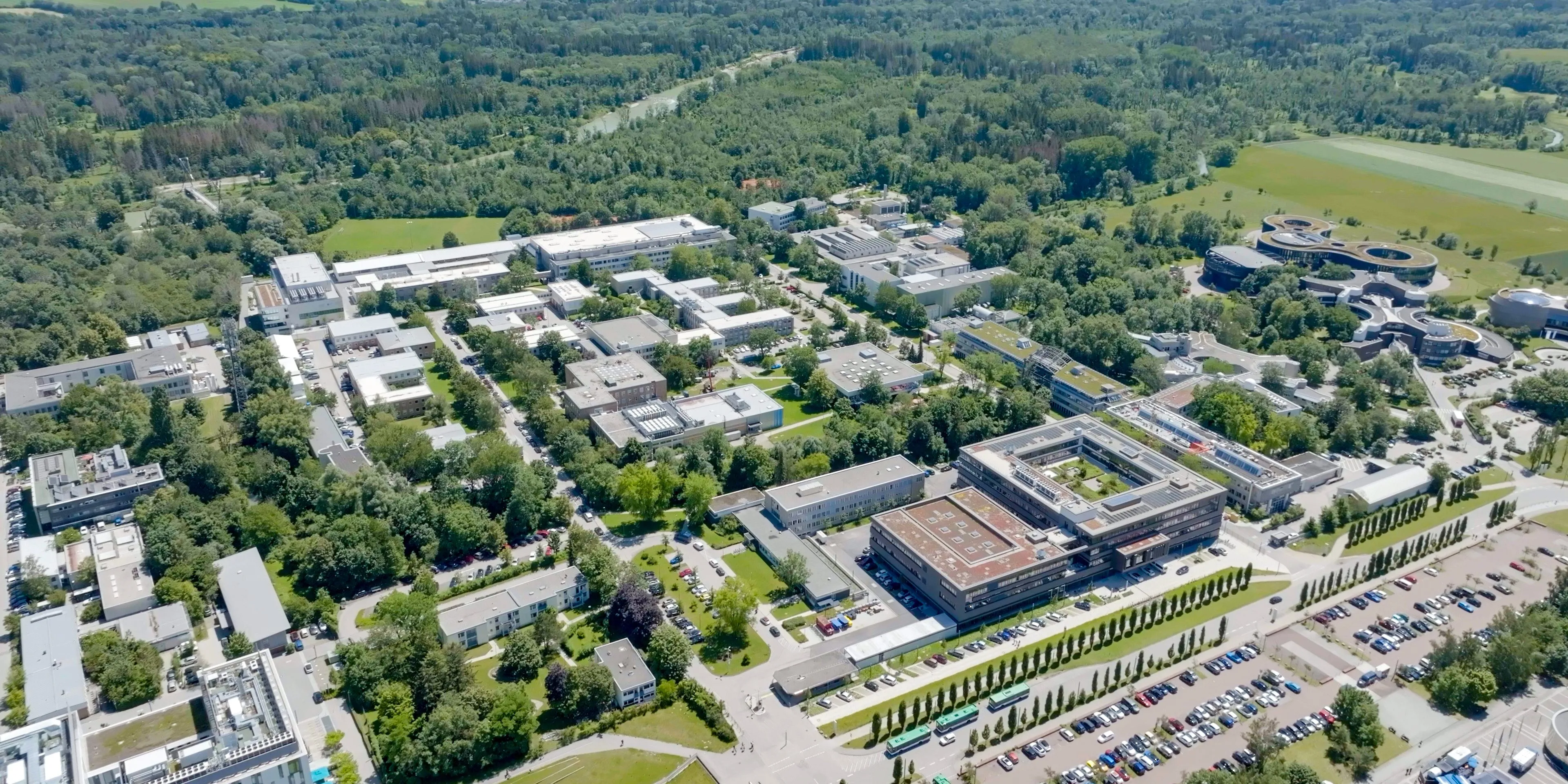
Campus Garching: An aerial perspective of five Max-Planck-Institutes.
Records in Greifswald
The IPP site in Greifswald.
The IPP Institute in Greifswald, founded in 1994 and employing around 450 staff members, has operated the Wendelstein 7-X fusion facility since 2015.
This site is home to the world's most powerful and largest stellarator.
Research at the institute covers stellarator dynamics, transport, heating, optimization, edge and divertor physics, as well as the operation of Wendelstein 7-X and stellarator theory.
IPP collaborates closely with the Institute of Physics at the University of Greifswald and with Technische Universität Berlin. Four scientific directors also hold professorships at these universities.
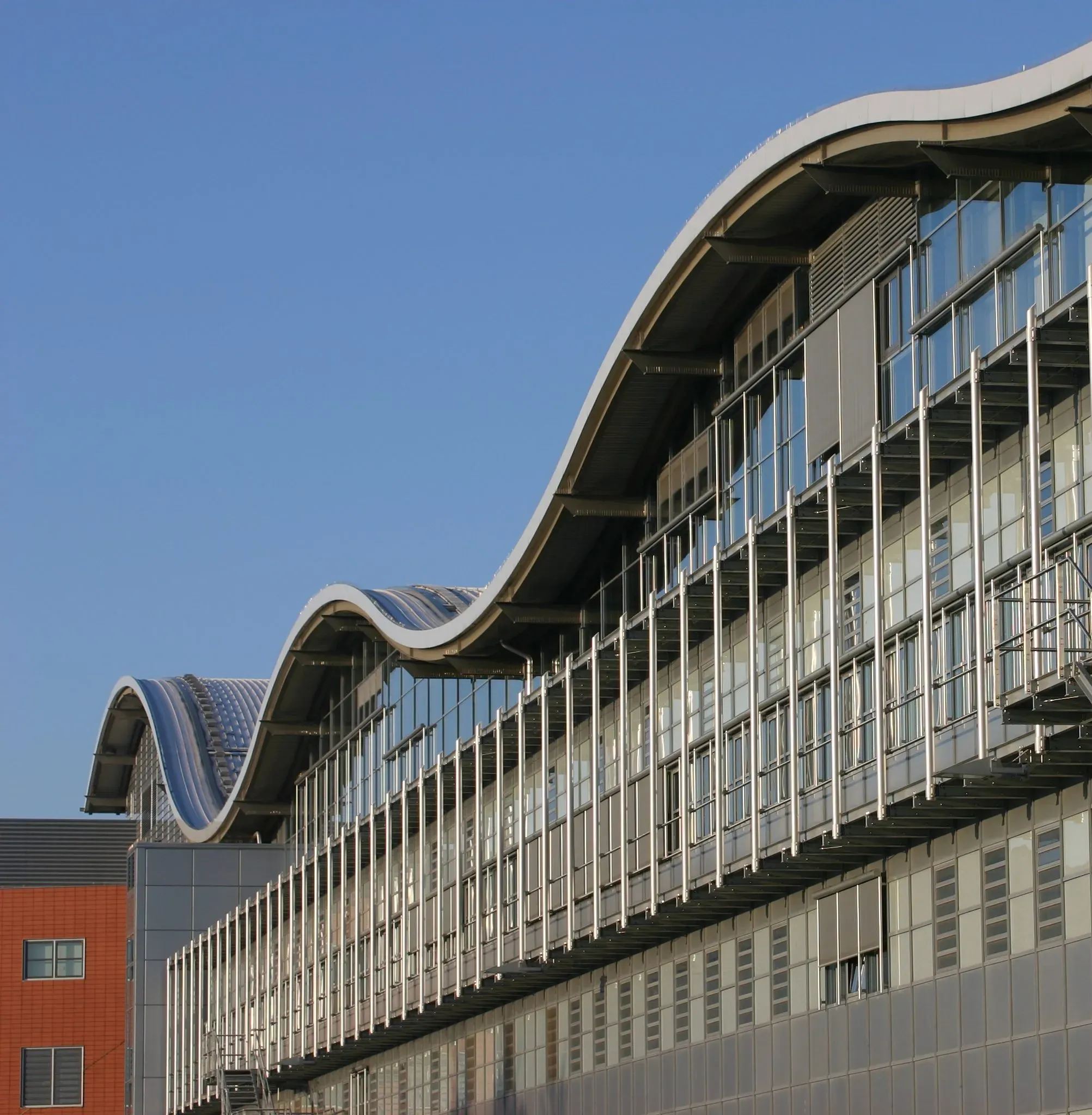
The City of Greifswald.
Greifswald, a Hanseatic city with a population of 55,000 on the Baltic Sea, boasts over 750 years of history. The University of Greifswald has been an integral part of the city for more than 550 years. Greifswald features a well-preserved historic center characterized by traditional North German brick architecture. Surrounded by the islands of Rügen and Usedom, the city is a vibrant university hub with more than 10,000 students enriching its cultural life. Greifswald offers a wide range of cultural institutions, including theaters, libraries, galleries, and museums such as the Pomeranian State Museum. Berlin, the nearest major city with an airport, can be reached by train in 2.5 hours.
The Federal State Mecklenburg-Vorpommern.
Mecklenburg-Vorpommern, located in the northeast of Germany, covers 23,000 square kilometers and has a population of 1.6 million. Following previous economic challenges, the region has made significant progress and is now attracting high-tech companies. Tourism is thriving, thanks to the 300-kilometer Baltic Sea coastline, the Mecklenburg Lake District, and numerous national parks.
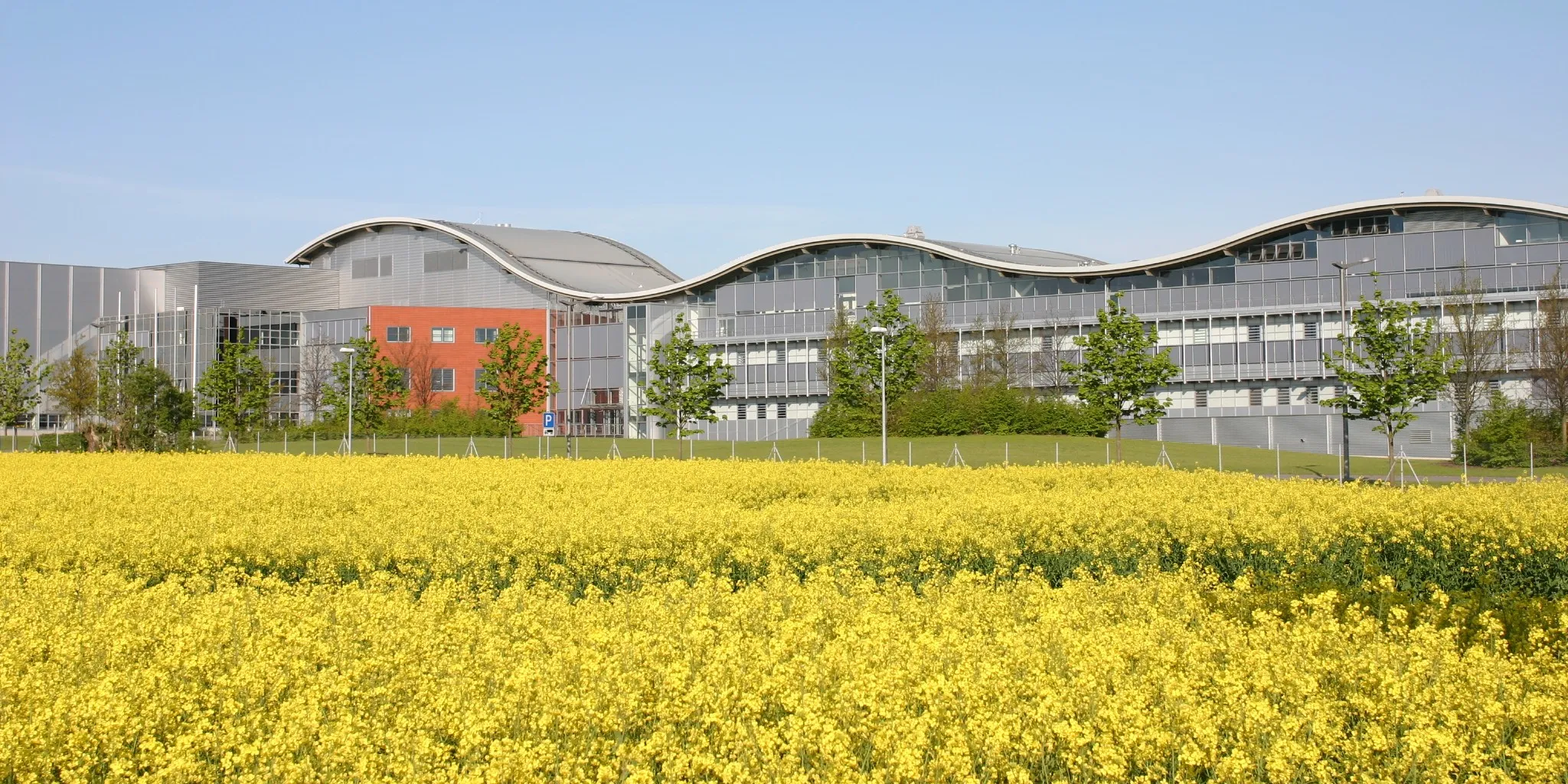
The architecture of the Baltic Sea waves in Greifswald.
Your path to a successful start in Germany
How does one get started in Germany? The following key steps are designed to help international employees begin their journey at IPP and serve as a guide to navigating the German administrative system.
1. Preparations at Home
Citizens of European Union (EU) member states, Switzerland, Iceland, Norway, and Liechtenstein do not require a visa.
Citizens of Australia, Canada, Israel, Japan, New Zealand, South Korea, the United Kingdom of Great Britain and Northern Ireland, and the United States of America may stay in Germany without a visa for up to 90 days. However, to take up employment, a visa is necessary, as this also includes a work permit.
A standard tourist visa/Schengen visa does not entitle you to work, and you cannot apply for a residence permit with this type of visa.
You can access the Foreign Office’s online visa application here.
Please check with the HR department at IPP in advance regarding any specific documents you may need to bring with you. These may include your university diploma, marriage certificate, and your children’s birth certificates. If these documents are not in German or English, it is advisable to bring certified translations rather than arranging translations after your arrival.
2. Starting Your Employment at IPP
Your contract will be provided by the HR department and must be signed before you begin working. As part of our onboarding process, you will receive support from a colleague during your first weeks.
3. Official Registration in Germany
Within two weeks of arriving in Germany, you are required to register your new address with the local registration office (Einwohnermeldeamt).
4. Bank Account
To open a bank account, you will need proof of residence (see step 3 above) and a valid passport. Review the websites of various banks or ask your colleagues for recommendations.
5. Health Insurance
You must have health insurance for the duration of your stay in Germany. A statutory health insurance policy is required from the start of your employment. You can choose from various statutory health insurance providers, most of which are listed online and some offer services in English. A list of statutory health insurance providers in Germany can be found here.
6. Residence Permit
A visa is typically valid for up to one year. For shorter stays, a visa is issued for the duration of your stay. If you plan to remain in Germany beyond the validity of your visa, you can apply for a residence permit with the local immigration office up to three months before your visa expires.
7. Further Information
There is an excellent information brochure titled "Living and Working in Germany," published by the Max Planck Society. You can download the brochure here.
For further questions and support, please contact the HR department at IPP for Garching at personalabteilung@ipp.mpg.de or the International Office for Greifswald at international.office-hgw@ipp.mpg.de.
Your Future. Our Sites.
Become a shaper of the future at IPP. Experience cutting-edge research.
Discover job openings