Shaping your career as a Postdoc

Explore Opportunities

Ever built a star? Outstanding research in plasma physics.

The Max Planck Institute for Plasma Physics (IPP) offers postdoc positions in Garching and Greifswald to support your scientific career after completing your doctorate. Join an inspiring environment and help push the boundaries of plasma physics.

During your postdoc phase, you can look forward to exciting projects within an international team. You'll enhance your skills through hands-on work and professional development opportunities, with support from the Career Center for Postdocs.

With their knowledge and creativity, more than 140 postdocs from around 30 countries make vital contributions to the outstanding achievements of the IPP.
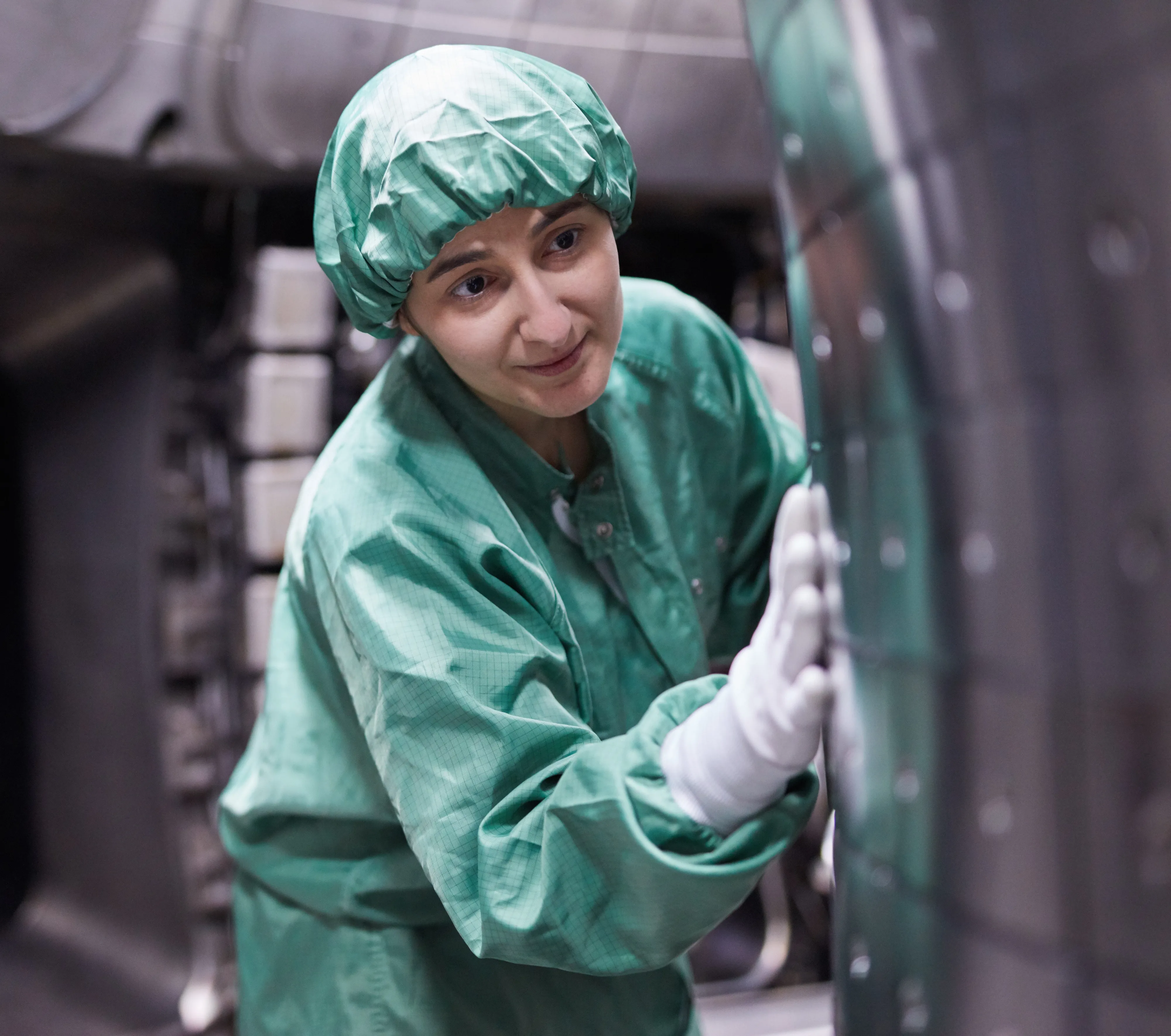
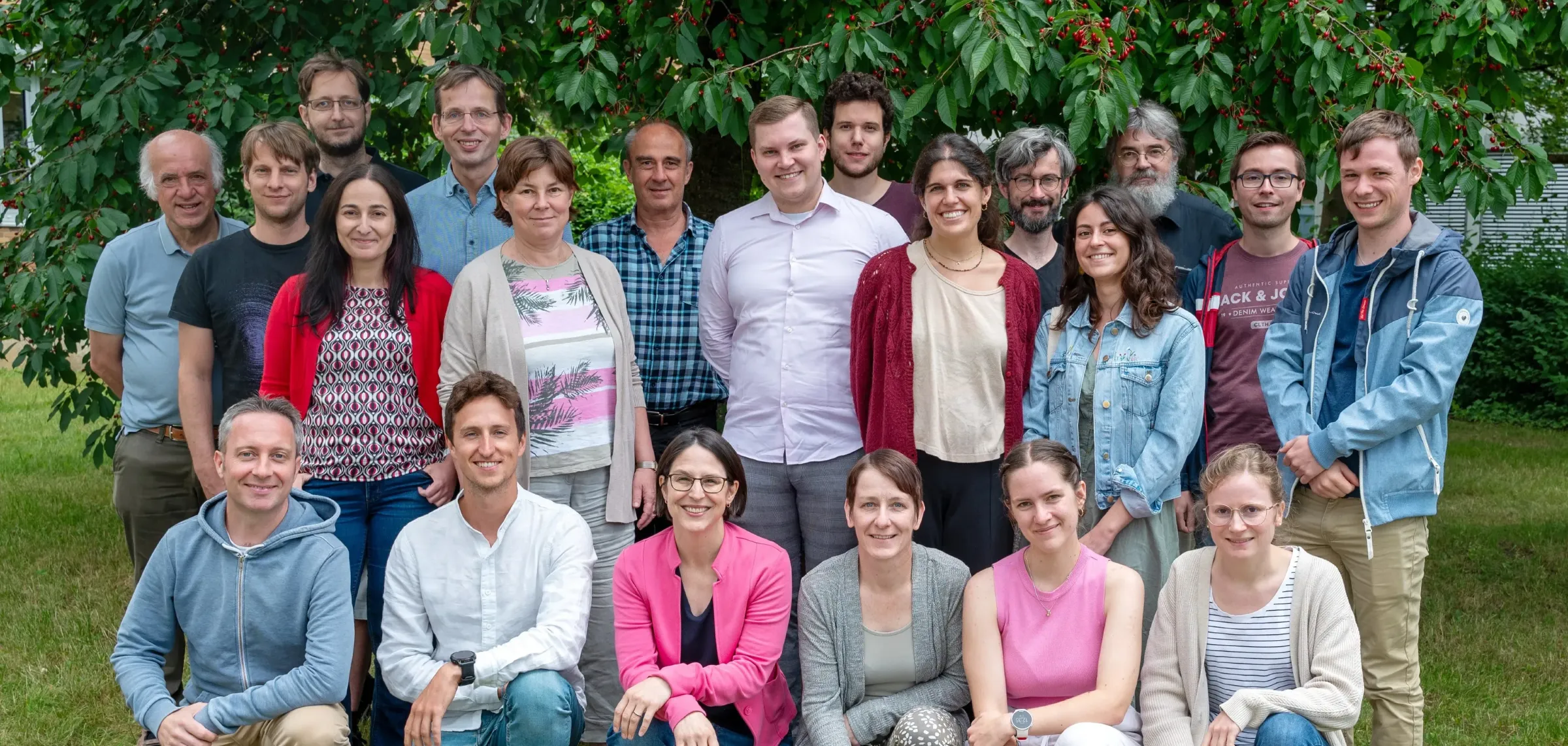
Pioneering work as a PostDoc at the IPP.

Can we rely on a clean, sustainable energy source in the future and bring the energy of the stars down to Earth? At the Max Planck Institute for Plasma Physics in Garching and Greifswald, we are researching the fundamentals needed to make fusion power plants a reality.

We are looking for dedicated researchers ready to help turn fusion energy into reality with us. Are you passionate about physics, engineering, materials science, or computer science? Then you’re in the right place!

At our locations in Greifswald and Garching, you’ll find excellent research conditions and guidance from renowned scientists. The proximity to Munich and Greifswald’s rich cultural life are just some of the factors that enhance our attractive program.

Discover Postdoc positions

Current Postdoc Positions at the IPP

We are looking for early-career researchers who have recently completed their doctorate and would like to enrich our team.

Subject-specific expertise is beneficial, but a solid background in plasma physics and a passion for fusion energy are sufficient. If you’re interested, please apply online through our application portal and include your areas of interest and potential contributions in your cover letter. You can learn more about our research topics and projects on the pages of our scientific departments and projects of the IPP.

Our postdoctoral positions are offered as fixed-term contracts, typically for two years with the possibility of extension to four years. Positions are compensated according to the German public sector tariff (TVöD Bund) up to salary grade 13.

42 / 42 jobs

Your Benefits as a Postdoc at the IPP

From personalized support and cutting-edge research to international collaboration, the IPP offers you the ideal environment for a successful career in plasma physics.

Cutting-edge research

Research at world-leading facilities such as Wendelstein 7-X and ASDEX Upgrade

Career development

Skills training, certificates, and support with career planning through our Career Center for Postdocs.

International environment

Researchers from over 30 nations closely collaborate with partner institutes.

Interdisciplinarity

Expand your horizons: Physics, materials research and data science in harmony.

Leadership responsibility

Outstanding postdocs have the opportunity to lead their own junior research groups and benefit from collaboration with universities, preparing them for leadership roles in academia.

Equal opportunities

We foster a respectful, discrimination-free work culture as the foundation for excellent research. Diversity and different perspectives strengthen creativity and innovation.

Experience pioneering spirit and appreciation.

Discover our culture and your benefits.
Discover all values & benefits

Programmes & Networks for Postdocs

Stay connected to science: Programs, networks, projects, and events encourage exchange and networking with leading researchers.

Career Center for Postdocs

What do you want to achieve in science or industry? The IPP's Career Development Center for Postdocs supports you with tailored career planning.

Projects of the IPP

The research activities at the IPP focus on five main projects: ASDEX Upgrade, Wendelstein 7-X, NextGen Fusion Collaborations, the demonstration power plant DEMO, and plasma-wall interaction.

Awards

Every year, the Max-Planck-Gesellschaft recognizes outstanding achievements by its doctoral researchers and postdocs during its annual meeting.

Insights into the World of the IPP

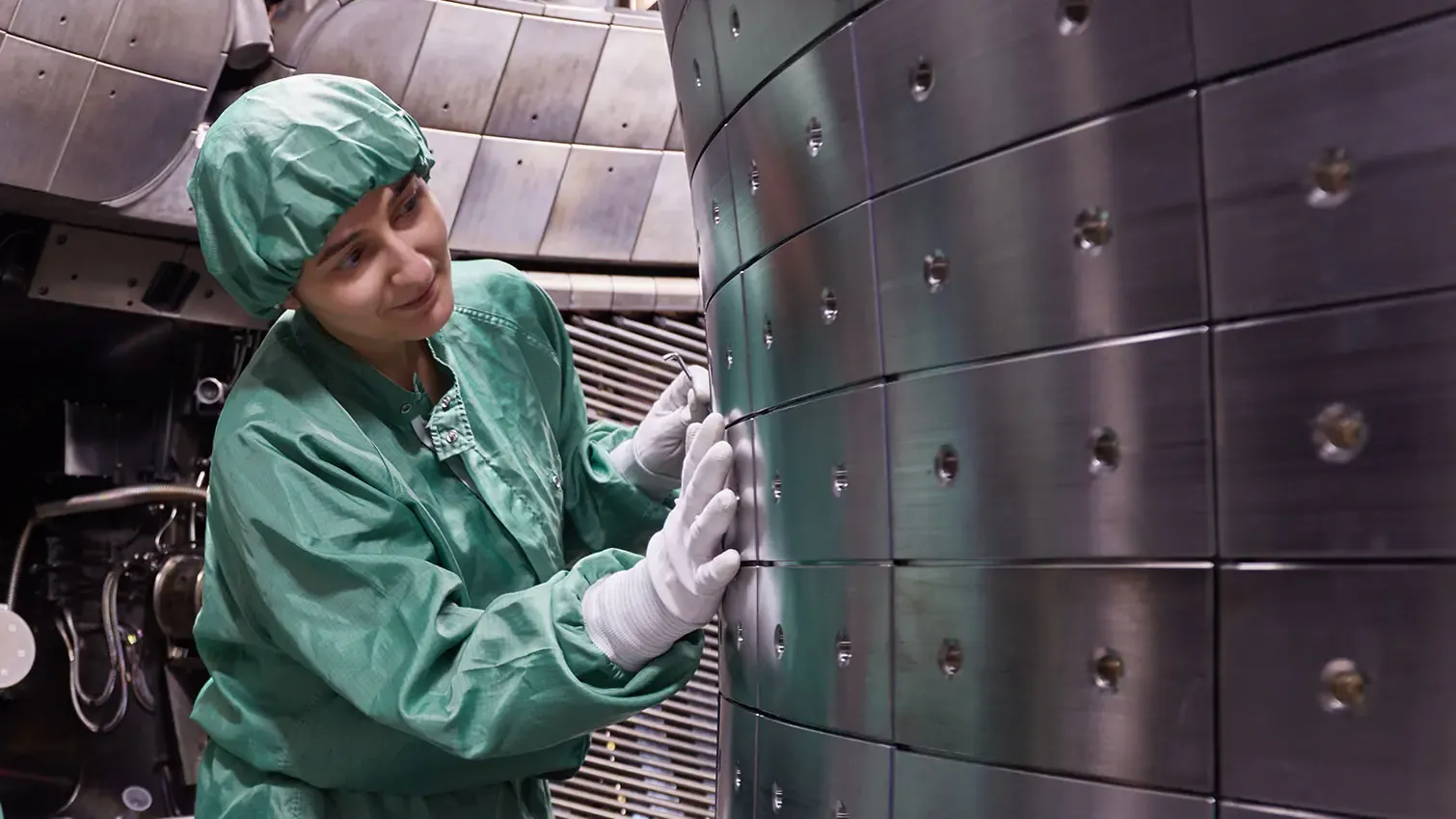
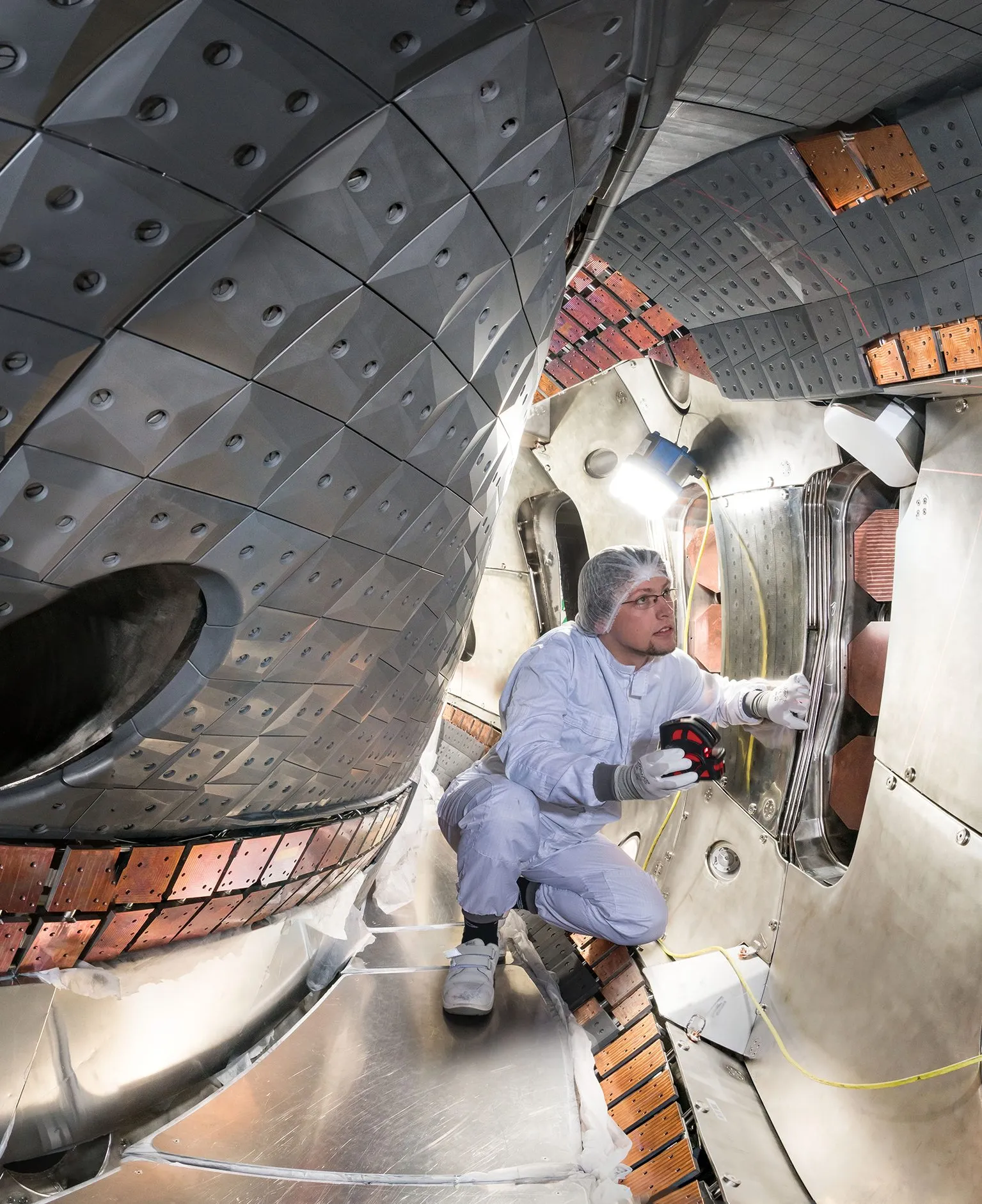
Dr. Athina Kappatou uses spectroscopic diagnostics to study helium and fast ions in plasma. “That’s why I also occasionally work inside the plasma vessel to maintain and calibrate the diagnostics.”

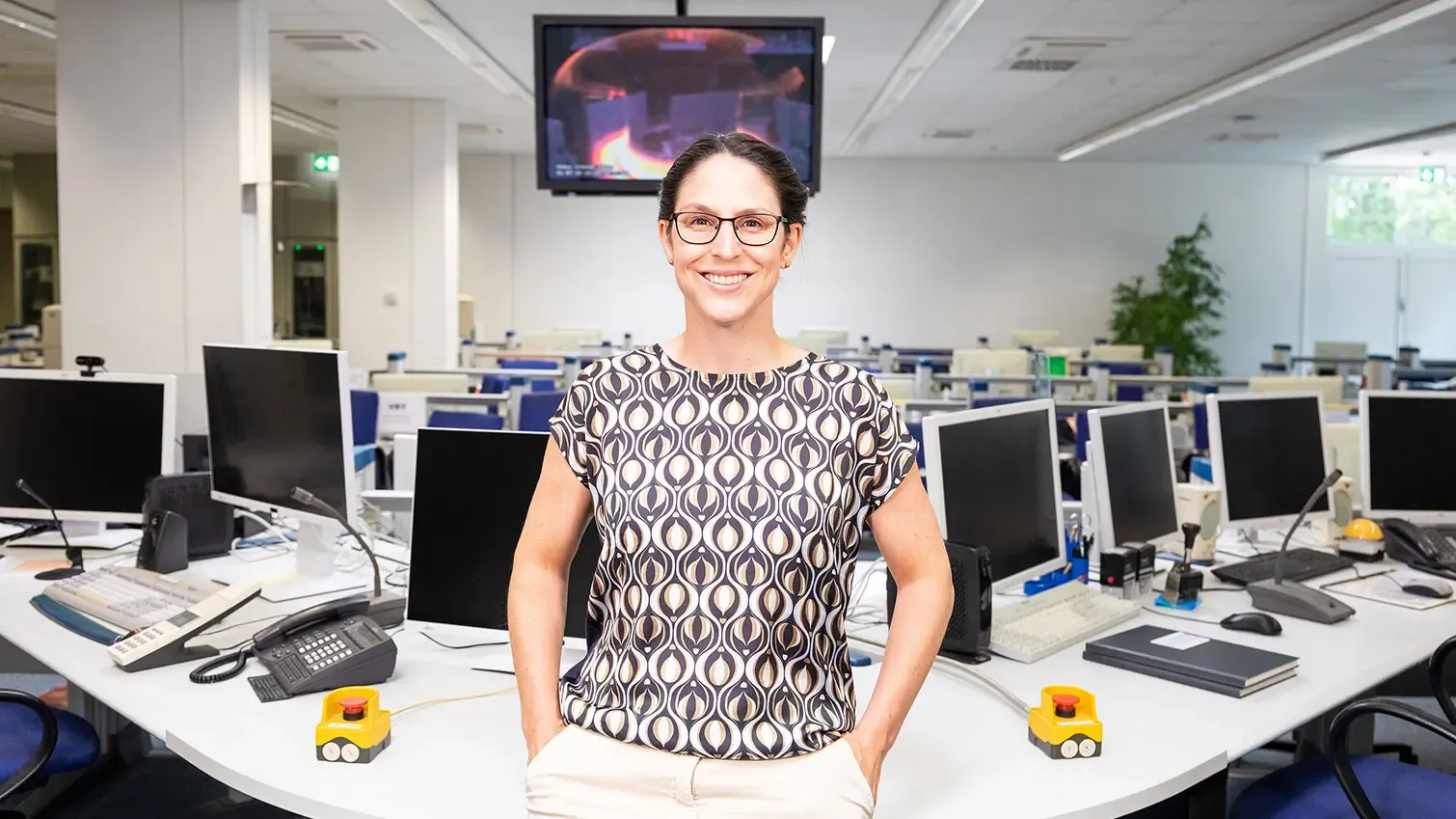
Prof. Dr. Elisabeth Wolfrum has supervised many doctoral theses in the field of lithium beam diagnostics—here pictured in the control room. The fast measurement device provides the electron density profile at the plasma edge every 50 microseconds.

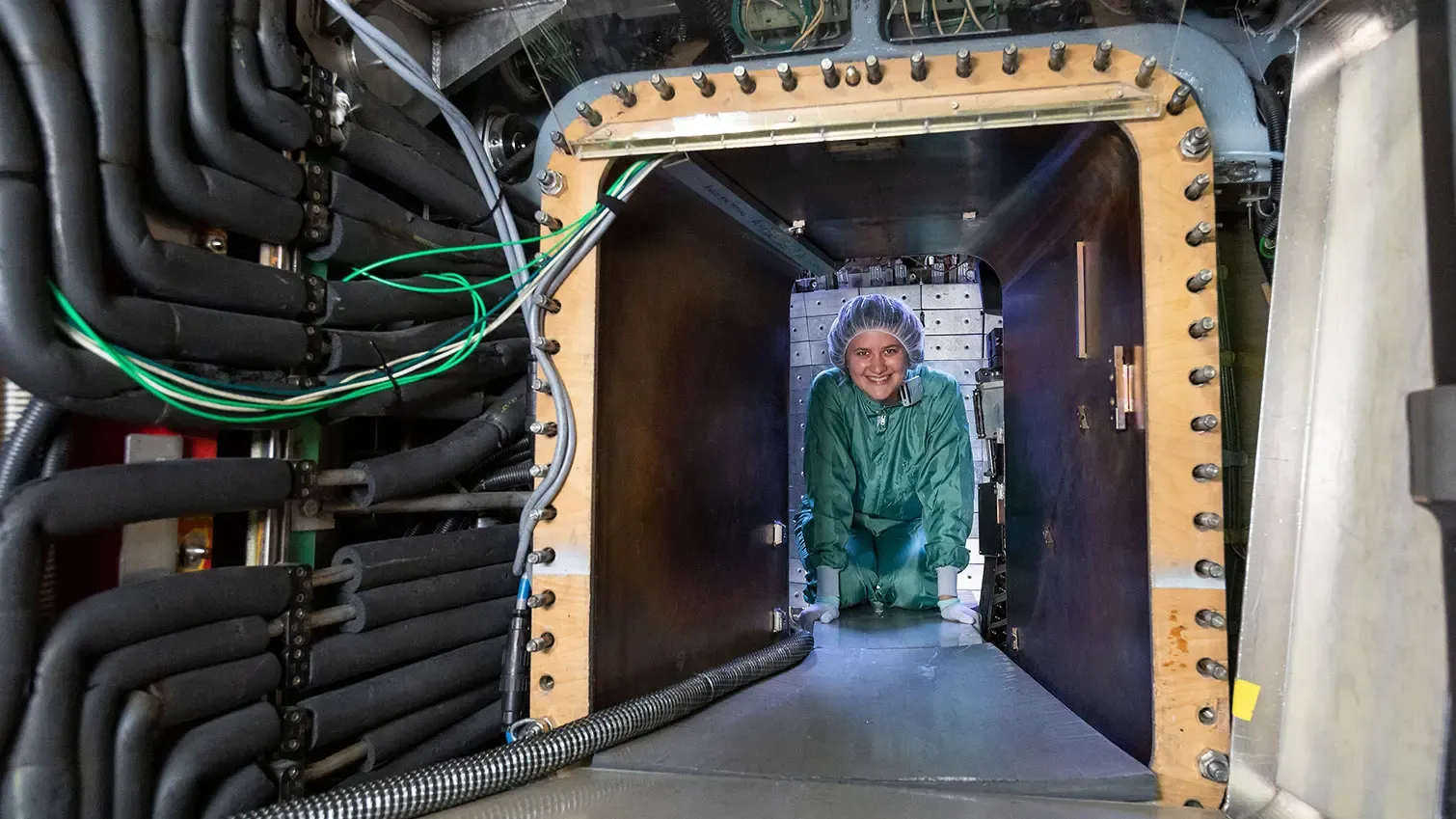
In the plasma vessel, Dr. Klara Höfler has just calibrated the Doppler reflectometer. The device’s movable mirror directs microwaves into the plasma to measure turbulence and compare the results with theoretical models.

Dr. Rachael McDermott researches the behavior of impurities in plasma—when she’s not leading experiments and guiding the ASDEX Upgrade team through the work program here in the control room.

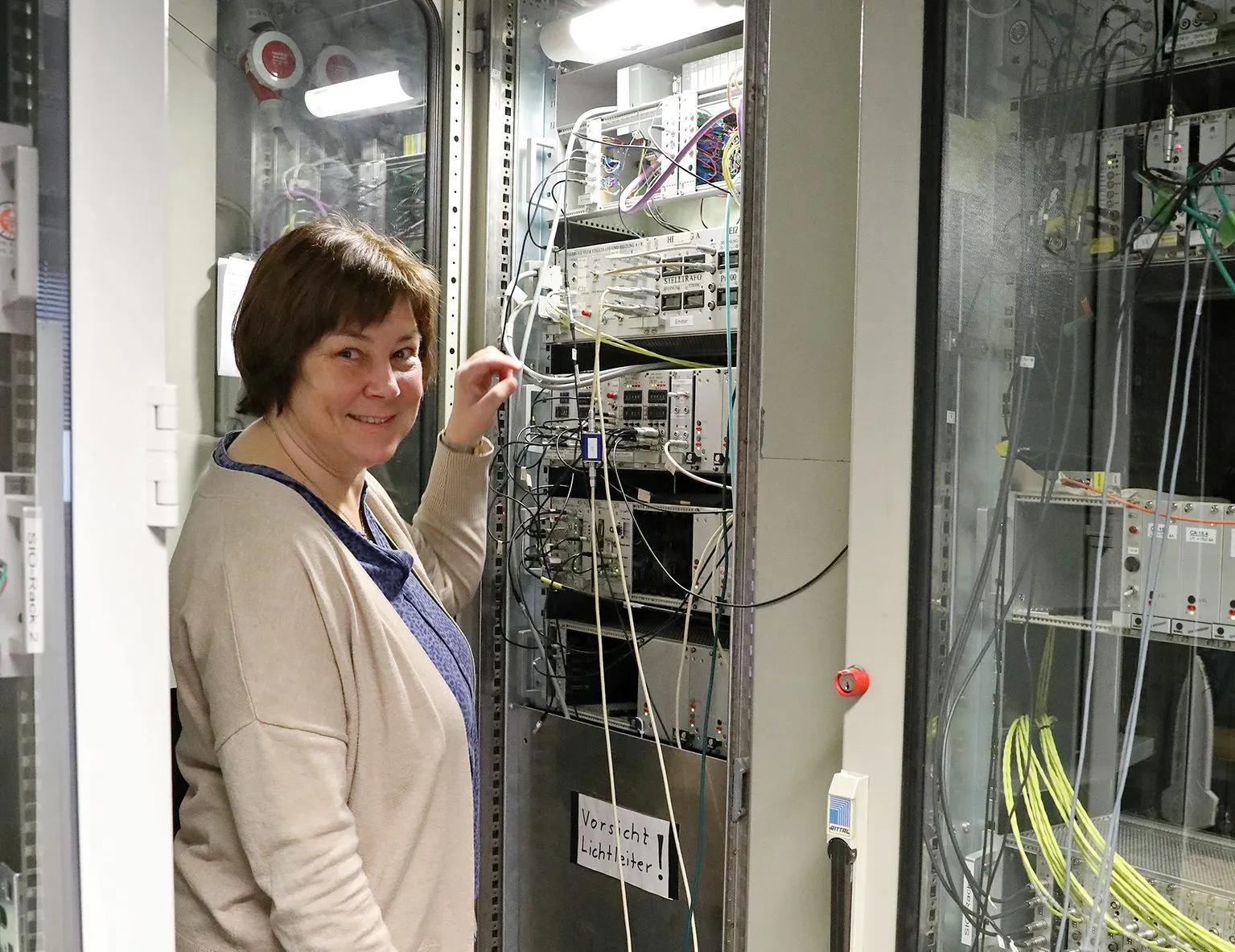
How does a tokamak transition from pulsed to continuous operation? Dr. Alexander Bock is researching this question by developing advanced tokamak scenarios. He is also responsible for the interferometers used to measure plasma density.

Innovation and scientific progress drive our team, dedicated to exploring and validating physics-based plasma edge models.

Double Reflectometer: By transmitting microwaves into the plasma and measuring the scattered signals, Dr. Tim Happel can analyze turbulence within the plasma. This approach makes it possible to validate turbulence codes for planning future experiments.

Your career. Our cutting-edge research.

You can apply at any time. Please submit your application documents through the online application portal.
Discover postdoc positions now