Shape your future with our PhD program

Apply for the PhD program

Welcome to the international HEPP doctoral program at the IPP.

Start your scientific career at the internationally renowned International Helmholtz Graduate School for Plasma Physics (HEPP) in an outstanding research environment.

HEPP offers exceptional doctoral training at the Max Planck Institute for Plasma Physics (IPP) in Garching and Greifswald, as well as at partner universities such as the University of Greifswald, Auburn University, and the University of Wisconsin-Madison. Associated partners include the Leibniz Institute for Plasma Science and Technology (INP) in Greifswald and the Leibniz Supercomputing Centre (LRZ) in Garching.

The graduate school aims to establish a coherent framework at the IPP and partner universities to educate a new generation of internationally competitive doctoral researchers in plasma physics, fusion research, computational physics, surface science, and plasma technology.

As an established PhD program, HEPP attracts outstanding candidates and prepares you for specialist and leadership careers in fusion-related fields, including research, education, industry, and consulting.

The structured graduate training is tailored to individual needs and ensures close connections with partner universities. You will benefit from support through a Thesis Advisory Committee, a wide range of courses and seminars, and a strong focus on developing soft skills. Enjoy interdisciplinary training in an inspiring learning environment.

Ever built a star? Pioneering work at IPP.

Can we rely on a clean, sustainable energy source in the future and bring the power of the stars to Earth? At the Max Planck Institute for Plasma Physics in Garching and Greifswald, we’re exploring the foundations for a fusion power plant to make exactly that possible.

We’re looking for dedicated researchers who want to turn fusion energy into reality. Are you interested in physics, engineering, materials science or computer science? Then you’ll fit right in with us!

Doctoral candidates benefit from hands-on research with state-of-the-art facilities, as well as international collaborations and networks in science and industry – ideal for launching your scientific career.

Our locations in Greifswald and Garching offer excellent conditions and personal support from renowned scientists. The sites near Munich and Greifswald’s cultural scene make our offer even more attractive.

HEPP trains the next generation of researchers in experimental, theoretical, and numerical plasma physics. To join, you need an outstanding master’s degree in physics, computational science, engineering, materials science, or mathematics, along with excellent English language skills.

Apply now for your PhD career!

Good reasons to choose the HEPP Graduate School

From personalized support and cutting-edge research to international networking opportunities, HEPP offers you the ideal conditions for a successful PhD in plasma physics.

Cutting-edge research

Research at world-leading large-scale experiments such as Wendelstein 7-X and ASDEX Upgrade

Structured Career Start

HEPP offers a specialized curriculum featuring a wide range of seminars, colloquia, courses, and workshops.

Code of Conduct

All members of the HEPP Graduate School have agreed to the “Terms of good practice in doctoral training in the International Helmholtz Graduate School for Plasma Physics.” You can find the complete code of conduct at this link.

Guiding Principle

HEPP aims to provide you with outstanding support on your path to a doctorate in plasma physics, fusion research, computational physics, and surface science.

Inspiring work environment

HEPP offers a stimulating intellectual environment, bringing together doctoral candidates from over 30 countries and fostering close collaboration with partner institutes, as well as providing access to state-of-the-art laboratory equipment and supercomputers.

Knowledge community

The expertise of the participating universities, the associated partner institutes, and the two locations of the Max Planck Institute for Plasma Physics is brought together to create a foundation for cutting-edge research and education.

Compensation

PhD positions in the HEPP program are usually offered as doctoral funding contracts and are remunerated in accordance with the German public sector tariff (TVöD Bund). Compensation starts at 75% of salary grade 13 in the first year (for contracts with the IPP). Doctoral candidates admitted to the HEPP program receive a three-year doctoral contract.

Funding opportunities

Doctoral candidates at the IPP usually receive a funding contract in accordance with the regulations of the Max Planck Society. These funding contracts combine the academic freedom of a scholarship with the social security of an employment contract. This setup allows doctoral candidates to focus fully and independently on their research.

Experience pioneering spirit and appreciation.

Discover our culture and your benefits.
Discover all values & benefits

HEPP at a glance

HEPP stands for international support for doctoral candidates, strong academic networks, collaboration with leading universities, guidance from renowned researchers, and top-level research at two locations.

Science in Connection

HEPP makes it easier for you to connect and network with leading researchers and other doctoral candidates in fusion research and beyond.

Max Planck PhDnet

The Doctoral Researchers’ Network of the Max Planck Society represents the interests of doctoral researchers. It advocates for their needs within the MPG and its committees, focusing especially on supervision quality, contract conditions, and scientific exchange.

The European Fusion Education Network

By being a member of the European Fusion Education Network (FUSENET), the IPP supports strong European collaboration in fusion research. This opens up exciting opportunities for you to continue your education and connect with others in the forward-looking field of fusion research and technology.

Munich School for Data Science

IPP is a co-founder of the Munich School for Data Science (MUDS), a graduate school that connects future scientists in data science with plasma physics, biomedicine, robotics, and earth observation. This offers you an ideal platform to expand your knowledge and develop innovative solutions.

Your path to a PhD positon at the IPP

IPP does not advertise specific doctoral projects. Instead, you can submit your application documents at any time as part of an ongoing process. Our supervisors review the applications in the candidate pool and select individuals for their research projects.
Step 1
Preparation

For a successful application, it is highly recommended that you first take a look at our research projects and scientific departments (see also the IPP website) and explain in your application how your own knowledge and skills would be a good fit.

Step 2
Application

For data protection reasons, please apply exclusively online via our application portal. Make sure to complete the form in full and upload all relevant documents, such as transcripts, certificates, and proof of language skills. Ideally, you should submit your application up to three months before completing your master's degree.

Step 3
Selection

The HEPP office ensures that your application documents are fully recorded and securely distributed to over 80 qualified supervisors at the IPP. To provide you with the best possible support, the selection process is carried out with great care. Please note that the entire selection procedure can take up to six weeks before you are invited for an interview or receive a rejection.

Step 4
Invitation

If your application stands out, you may be contacted directly by potential supervisors to discuss details or arrange an interview. This is your opportunity to explore new perspectives and take the next step in your career journey.

Step 5
Interviews

Both sides have the opportunity to get to know each other and clarify expectations. The first interview usually takes place by phone or video before you are invited to further interviews with us at the IPP.

Your doctoral program at the IPP

The scientific and interdisciplinary program at HEPP covers fundamental research in plasma physics, fusion research, computational physics, and plasma technology. HEPP offers a graduate program that enables participants to earn a doctoral degree from partner universities. The program sets a clear timeline and encourages close collaboration among doctoral candidates.
Curriculum
The Pillars of HEPP

The specialized three-year HEPP training program is built on several key pillars:

  • Weekly mandatory seminar during the lecture period

  • Annual HEPP Colloquium, complemented by an additional HEPP Autumn Colloquium

  • Subject-specific advanced training, including

    • supplementary lectures to university offerings

    • lecture blocks by invited guest professors

    • conferences and retreats

    • participation in the IPP Summer University

  • HEPP Transferable Skills Workshops

  • Comprehensive training in scientific practice at IPP

This structure ensures a well-rounded and engaging development experience that supports both academic and professional growth.

1
Seminars

The weekly HEPP seminar offers HEPP students a platform for scientific presentations and discussions. Doctoral candidates meet in Garching and Greifswald, connected via video conference. HEPP students give two talks: A 10-minute introductory presentation at the start of the doctoral project introduces and provides an overview of the research topic. In the second year, a 20-minute progress presentation follows, showcasing results and the scientific foundations. This talk should be accessible to a broad audience and address potential challenges or interesting aspects of the work.

2
HEPP Colloquium

Every year, HEPP members from the IPP sites in Garching and Greifswald come together for a colloquium that is integrated into the spring meeting of the German Physical Society (DPG). In the first and second years of the doctoral program, participants present a scientific poster. In the third year, shortly before completing their thesis, they give a 20-minute talk.

Ideally, the final presentation is held during the HEPP session at the DPG Spring Meeting and should cover key parts of the dissertation as well as preliminary results. For those with early findings or at the beginning of their third year, an additional HEPP Autumn Colloquium is organized at the end of the year.

3
Subject-specific advanced training

Participation in the weekly seminar and the annual colloquium is mandatory for all students. Choosing additional courses from the wide range of offerings at the universities is your responsibility and depends on your personal background. According to the regulations of the Graduate Centers at the Technical University of Munich (TUM), retreats, summer schools, or conferences can also be recognized. Final approval of these educational activities is at the discretion of your supervisors.

During the standard doctoral phase of three years, you are required to attend at least 6 semester hours per week of courses.

Questions about our PhD program? We are happy to help.

For general inquiries, please contact hepp@ipp.mpg.de.

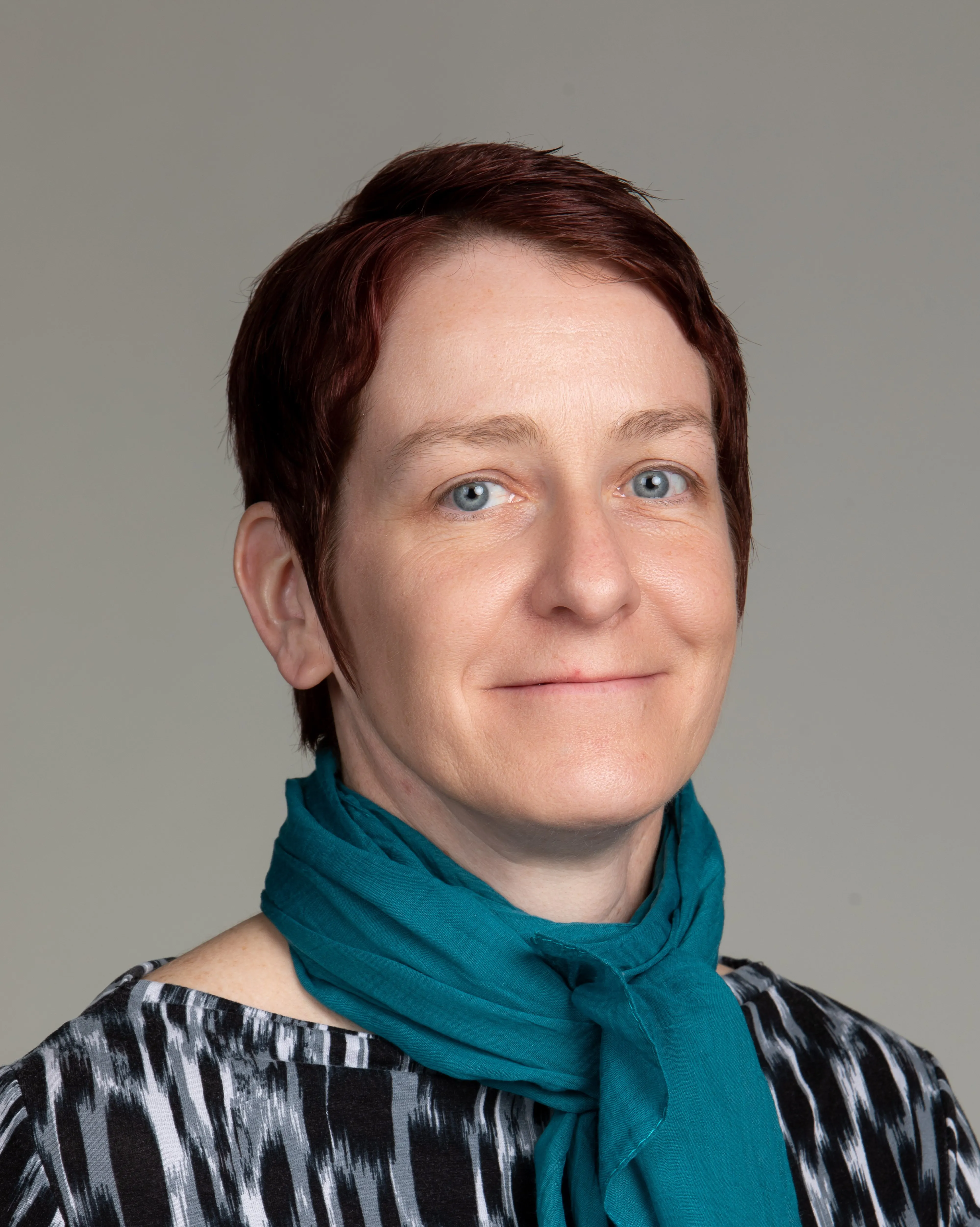
Dr. René BussiahnHEPP Koordinator & Study Guide Greifswald

Phone +49 3834 88-2208E-Mail: rene.bussiahn@ipp.mpg.de

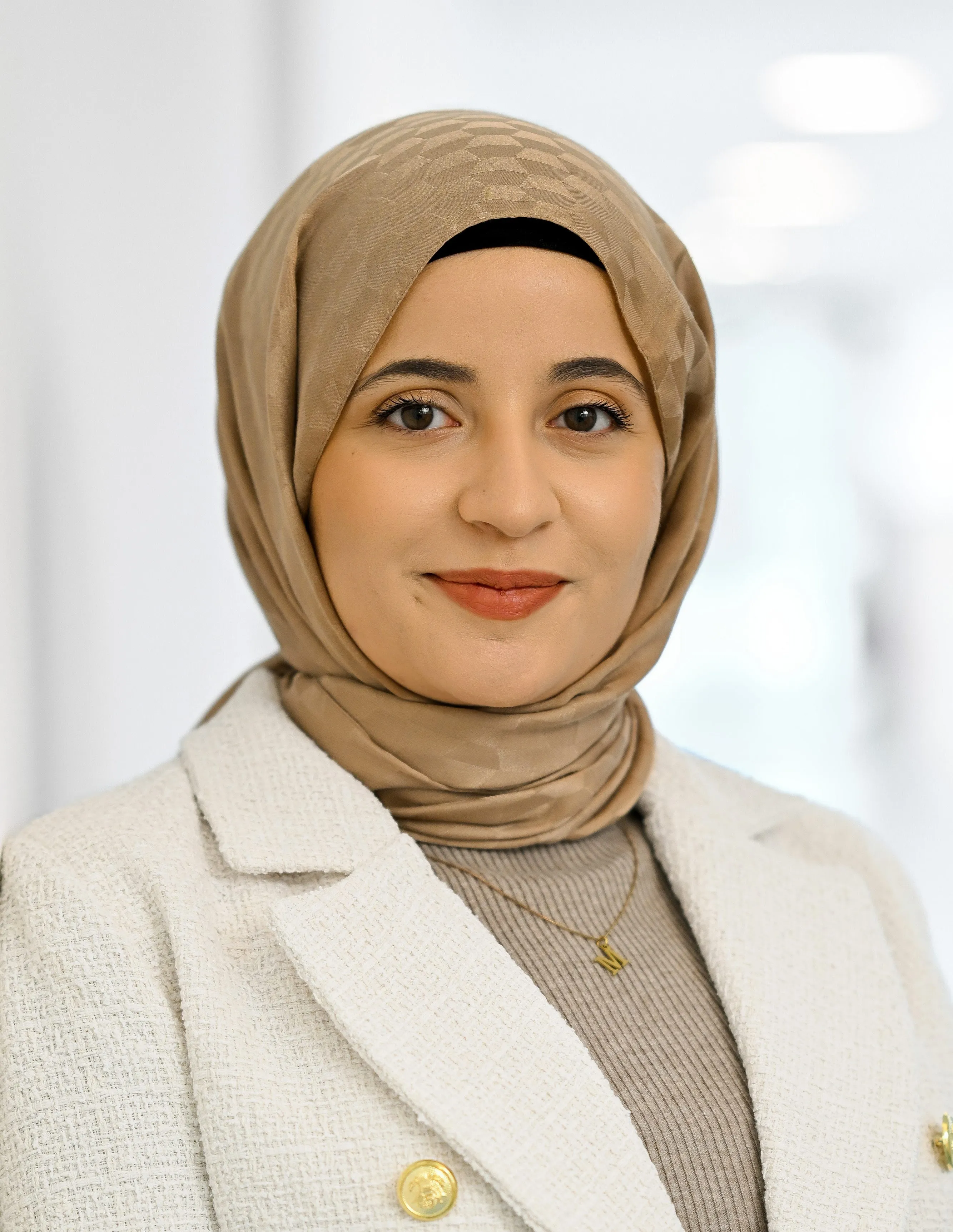
Anja BauerHEPP Office

Phone +49 89 3299-1209E-Mail: anja.bauer@ipp.mpg.de

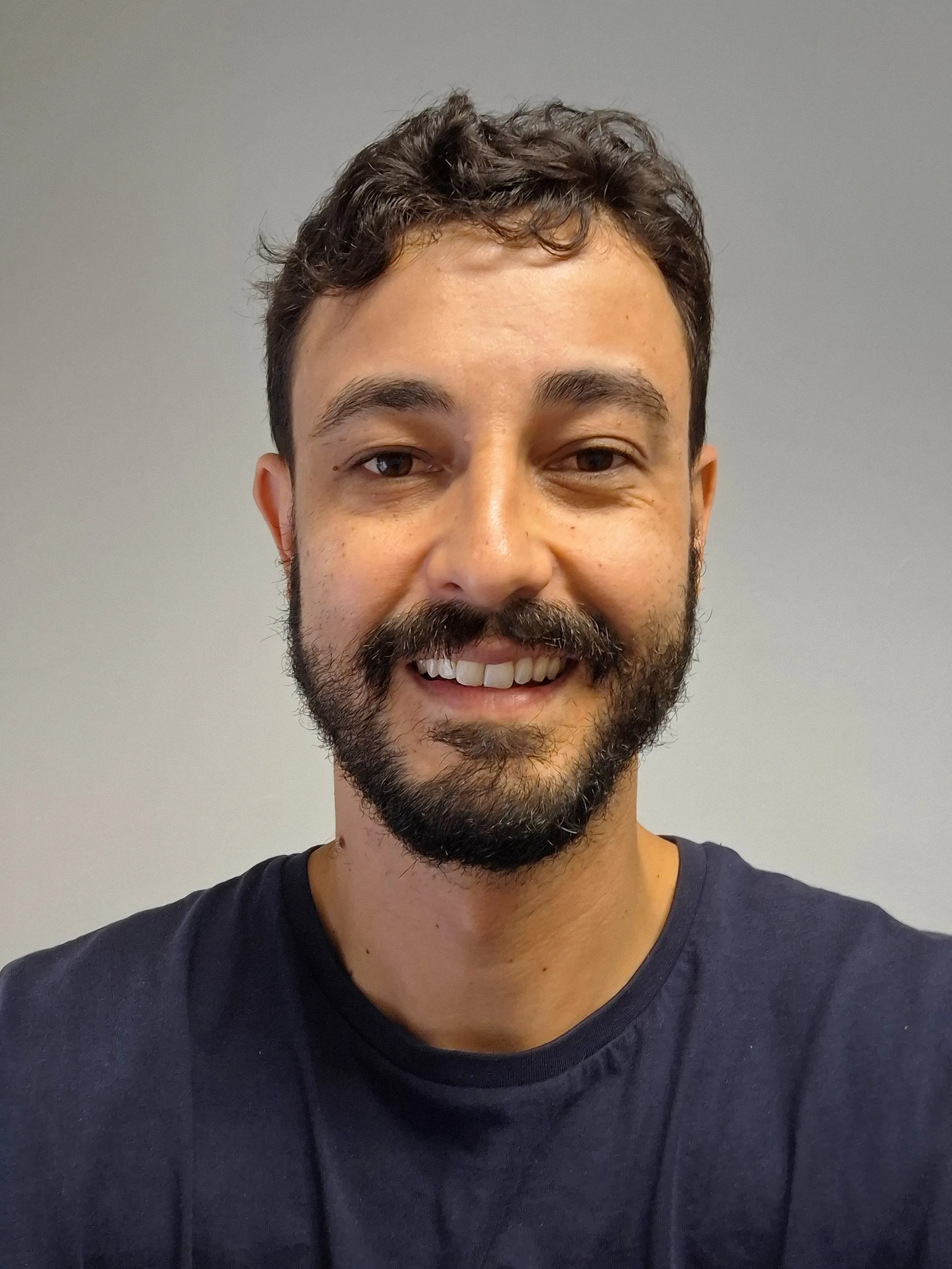
Dr. Gustavo GrenfellHEPP Study Guide GarchingPhone +49 89 3299-1019E-Mail: gustavo.grenfell@ipp.mpg.de

Insights into the World of the IPP

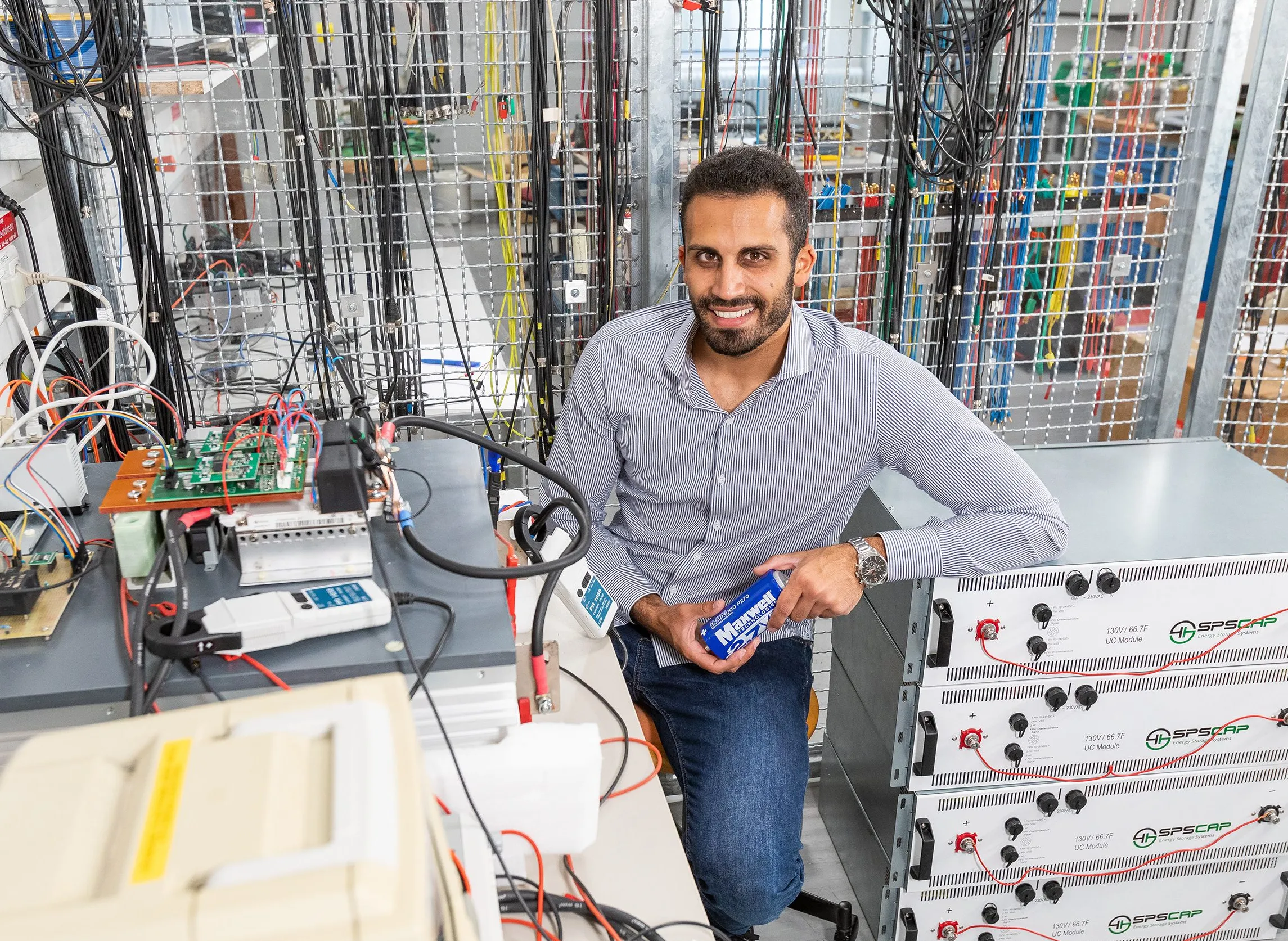
Antonio Magnanimo is developing a power supply prototype based on supercapacitors. Two thousand of the modules stacked on the right could replace the flywheel generator currently powering the magnets of ASDEX Upgrade.

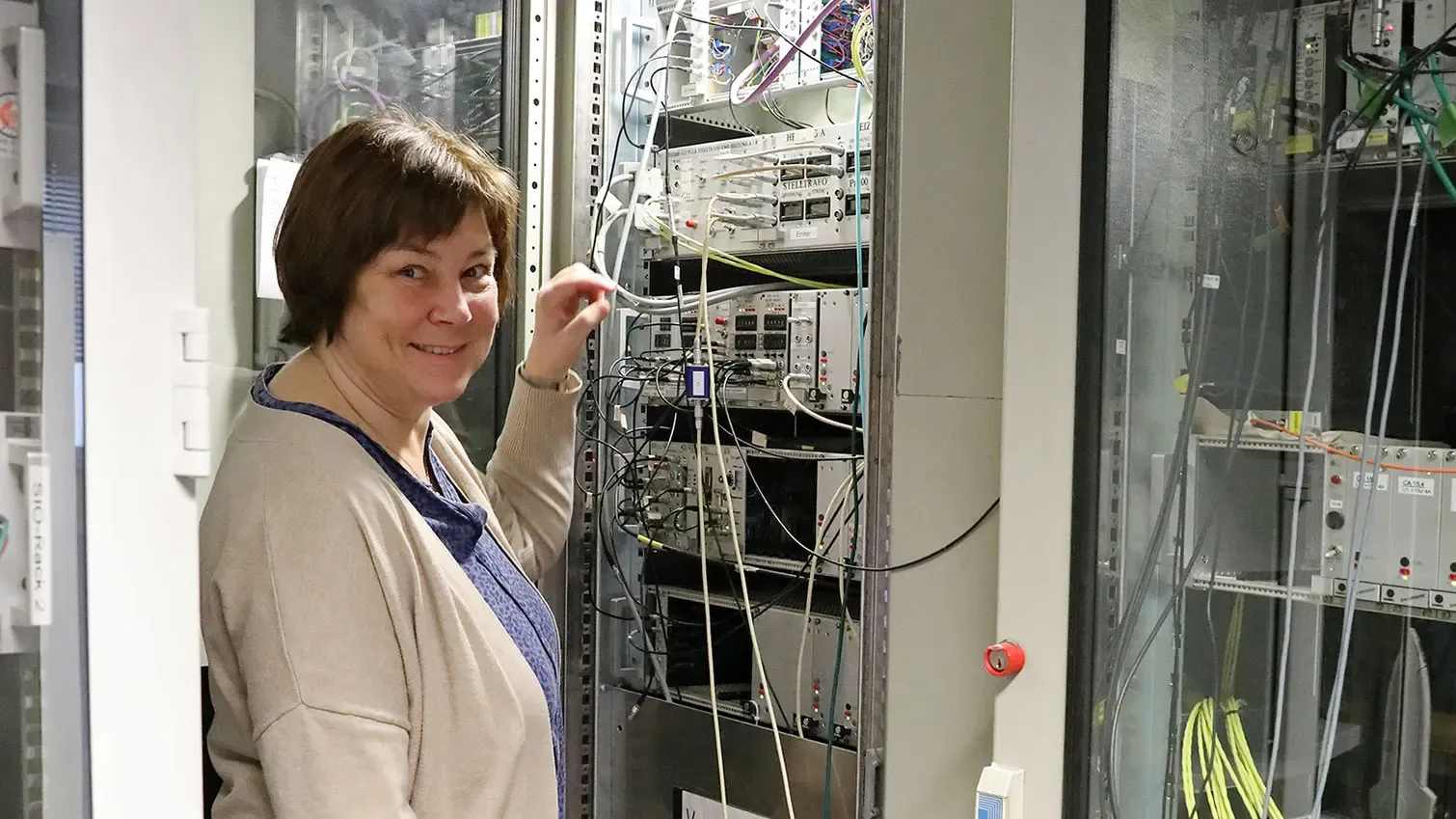
Prof. Dr. Elisabeth Wolfrum has supervised numerous doctoral theses in lithium beam diagnostics, often working from the control room. The fast measuring device provides the electron density profile at the plasma edge every 50 microseconds.

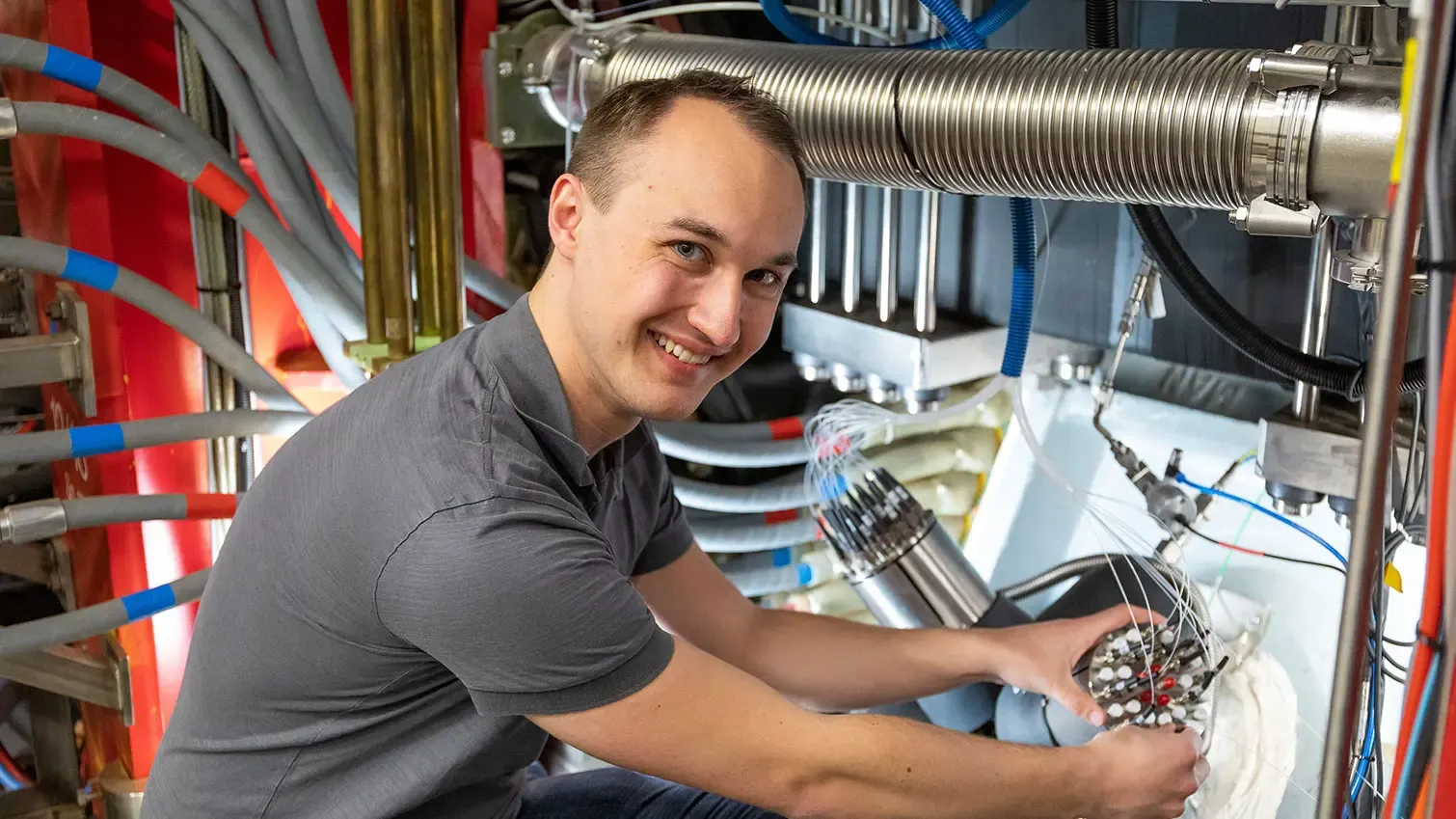
The optical fibers used in helium beam diagnostics monitor the plasma edge of ASDEX Upgrade. The light emitted by injected helium atoms during collisions with electrons provides Daniel Wendler with valuable insights into their temperature and density.

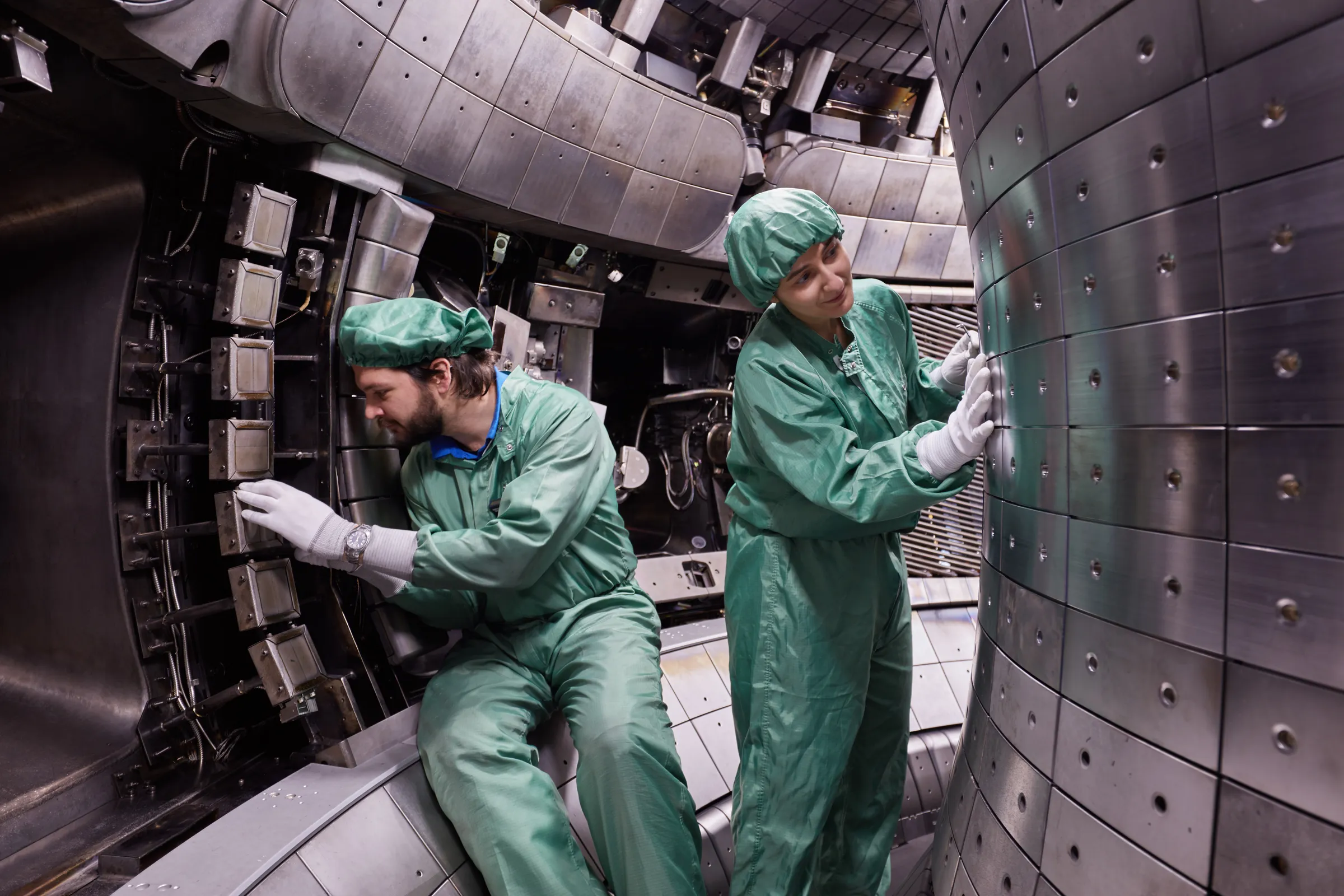
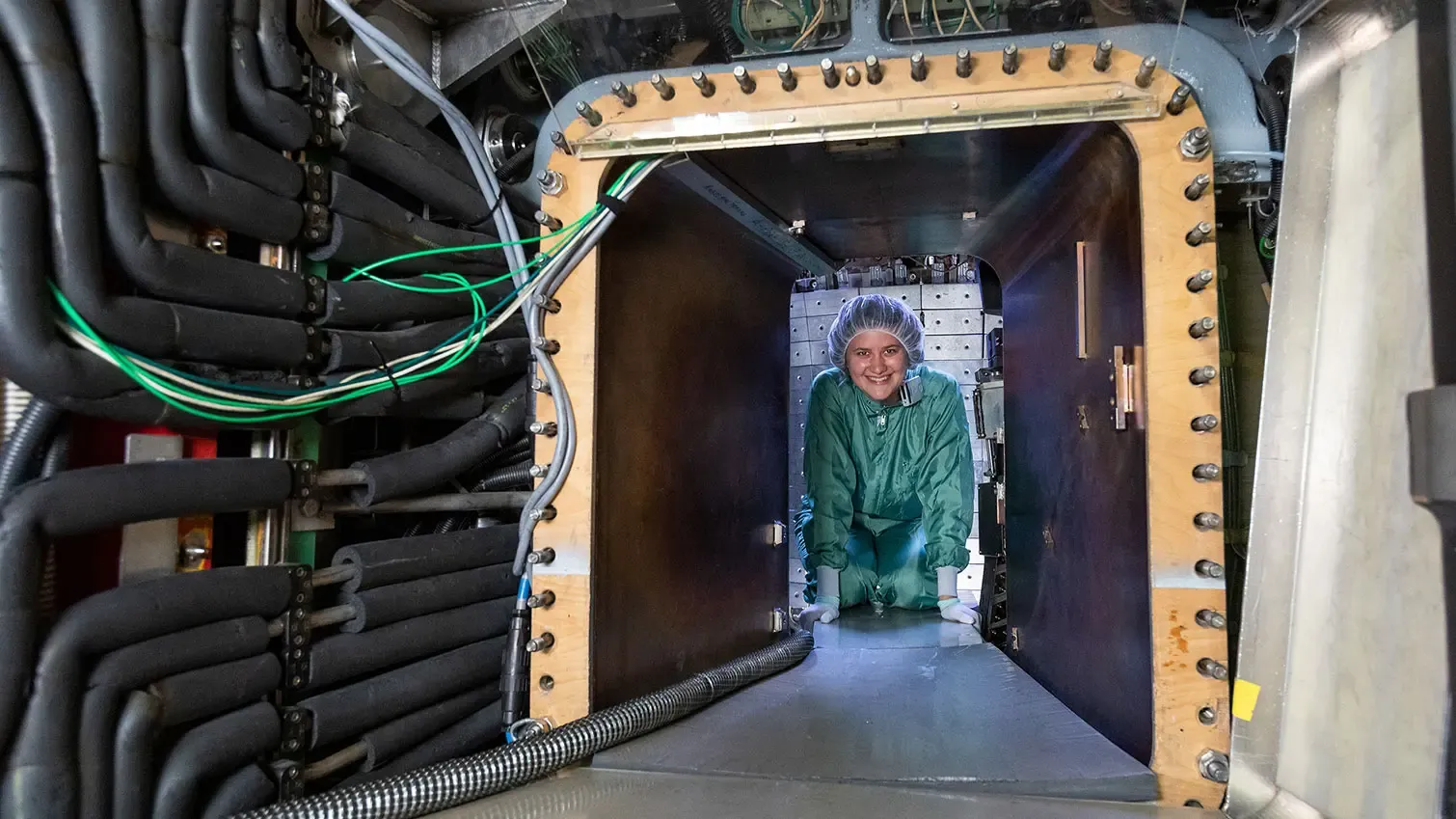
In the plasma vessel, Dr. Klara Höfler has just calibrated the Doppler reflectometer. The movable mirror of the measuring device directs microwaves into the plasma to measure turbulence and compare the results with theoretical models.

Your doctorate. Our cutting-edge research.

Applications are welcome at any time. Please submit your documents through the online application portal.
Apply now for a PhD program